
Meditation for Personal Growth: Transform Your Life

DoReset
May 22, 2026
You've probably heard countless times that meditation can change your life, but you might be wondering if it's really worth your time. I understand the skepticism. When you're juggling responsibilities, struggling with old patterns, and trying to rebuild your life, sitting still might feel like the last thing you need. Yet meditation for personal growth isn't about escaping your challenges. It's about developing the inner resources to face them with clarity, compassion, and courage.
Understanding the Foundation of Meditation for Personal Growth
Meditation serves as a powerful catalyst for transformation because it addresses the root of change: your relationship with yourself and your thoughts. Unlike quick fixes or surface-level solutions, meditation works at the level of awareness, helping you notice the patterns that keep you stuck before you can shift them.
When you practice meditation for personal growth, you're essentially training your mind to observe without judgment. This skill becomes invaluable when you're trying to change habits and transform your life, because awareness precedes choice. You can't change what you don't notice.
The Science Behind Meditation and Personal Development
Research has shown that meditation literally reshapes your brain. Functional neuroimaging studies reveal that regular meditation practice influences brain regions associated with attention, emotional regulation, and self-awareness. These aren't just temporary states. They're structural changes that support lasting transformation.
The benefits of meditation extend beyond stress reduction. Regular practice improves mood, enhances focus, and builds emotional resilience. These qualities become the foundation for meaningful personal development, especially when you're working to reset your mindset and create new patterns.

Different Meditation Approaches for Different Growth Goals
Not all meditation practices serve the same purpose. Understanding which approach aligns with your personal growth goals helps you create a practice that actually supports your transformation journey.
Mindfulness Meditation for Pattern Recognition
Mindfulness meditation teaches you to observe your thoughts, emotions, and sensations without getting swept away by them. This practice proves particularly valuable when you're trying to identify and change habits that no longer serve you.
Key benefits of mindfulness for personal growth:
- Increased awareness of automatic behaviors
- Better emotional regulation during difficult moments
- Enhanced ability to pause before reacting
- Deeper understanding of personal triggers
When practiced consistently, mindfulness helps you catch yourself before falling into old patterns. You notice the impulse to check your phone, reach for comfort food, or avoid difficult conversations. That moment of awareness creates space for choice.
Loving-Kindness Meditation for Self-Compassion
Personal growth often stalls because we're incredibly harsh with ourselves. Loving-kindness meditation cultivates compassion, starting with yourself and extending outward. This practice becomes essential when you're rebuilding your life after setbacks or disappointments.
The practice involves silently repeating phrases like "May I be happy, may I be healthy, may I be safe, may I live with ease." It might feel awkward at first, especially if you're not used to treating yourself kindly. That discomfort itself reveals important information about your relationship with yourself.
Focused Attention Meditation for Building Discipline
This approach involves concentrating on a single object, sound, or sensation. When your mind wanders (which it will), you gently bring it back. This simple act builds the mental muscle of discipline and consistency that supports all personal development efforts.
| Meditation Type | Primary Benefit | Best For | Practice Duration |
|---|---|---|---|
| Mindfulness | Pattern awareness | Breaking old habits | 10-20 minutes daily |
| Loving-kindness | Self-compassion | Healing relationships | 5-15 minutes daily |
| Focused attention | Mental discipline | Building consistency | 5-10 minutes daily |
| Body scan | Physical awareness | Stress management | 15-30 minutes |
Integrating Meditation Into Your Daily Transformation
The real power of meditation for personal growth emerges when you weave it into your daily life rather than treating it as an isolated activity. Research on everyday mindfulness practices shows that experienced practitioners integrate awareness throughout their day, not just during formal sitting sessions.
Morning Meditation as a Daily Reset
Starting your day with meditation sets the tone for everything that follows. Even five minutes of quiet reflection helps you approach your day with intention rather than reaction. This practice pairs beautifully with planning your day mindfully, considering not just what you need to do but who you want to be while doing it.
Your morning meditation doesn't need to be elaborate. Sit comfortably, focus on your breath, and set an intention for the day. Ask yourself: "What quality do I want to bring to today's challenges?" This simple practice creates alignment between your values and your actions.
Meditation Breaks Throughout the Day
You don't need to wait for your formal practice to access meditation's benefits. Brief moments of mindfulness throughout your day compound into significant growth over time. These micro-practices help you maintain awareness even during busy, stressful periods.
Effective meditation breaks:
- Three conscious breaths before important meetings or conversations
- A one-minute body scan when you notice tension building
- Mindful walking between tasks or locations
- Eating one meal per day with full attention
- Pausing to notice your emotional state during transitions

Overcoming Common Meditation Obstacles
I know what stops most people from establishing a consistent meditation practice, and I want you to know that every obstacle you face is normal and surmountable. You're not doing it wrong, and you're not broken. You're simply learning a new skill that goes against years of conditioning.
"My Mind Won't Stop Thinking"
This might be the most common misconception about meditation. Your mind is supposed to think. That's its job. Meditation isn't about stopping thoughts. It's about changing your relationship with them. Each time you notice your mind has wandered and gently bring it back, you're succeeding at meditation. That redirect is the practice.
Think of thoughts as clouds passing through the sky of your awareness. You don't need to push them away or hold onto them. Simply notice them and return to your anchor (breath, body sensations, or chosen focus point).
"I Don't Have Time"
This objection usually reveals something deeper: a belief that you're not worth the investment. Personal growth requires honest self-examination, and meditation helps you see where you're making yourself last on your priority list.
The truth is, you don't need hours. Studies show that even brief daily practice creates measurable benefits. Start with five minutes. That's less time than scrolling social media or watching a single YouTube video. If your transformation matters to you, five minutes is available.
Finding Your Sustainable Practice
Meditation for personal growth works best when it fits your life, not when you try to fit your life around an idealized practice. Some people thrive with 20-minute morning sessions. Others do better with three five-minute breaks throughout the day. Both approaches work.
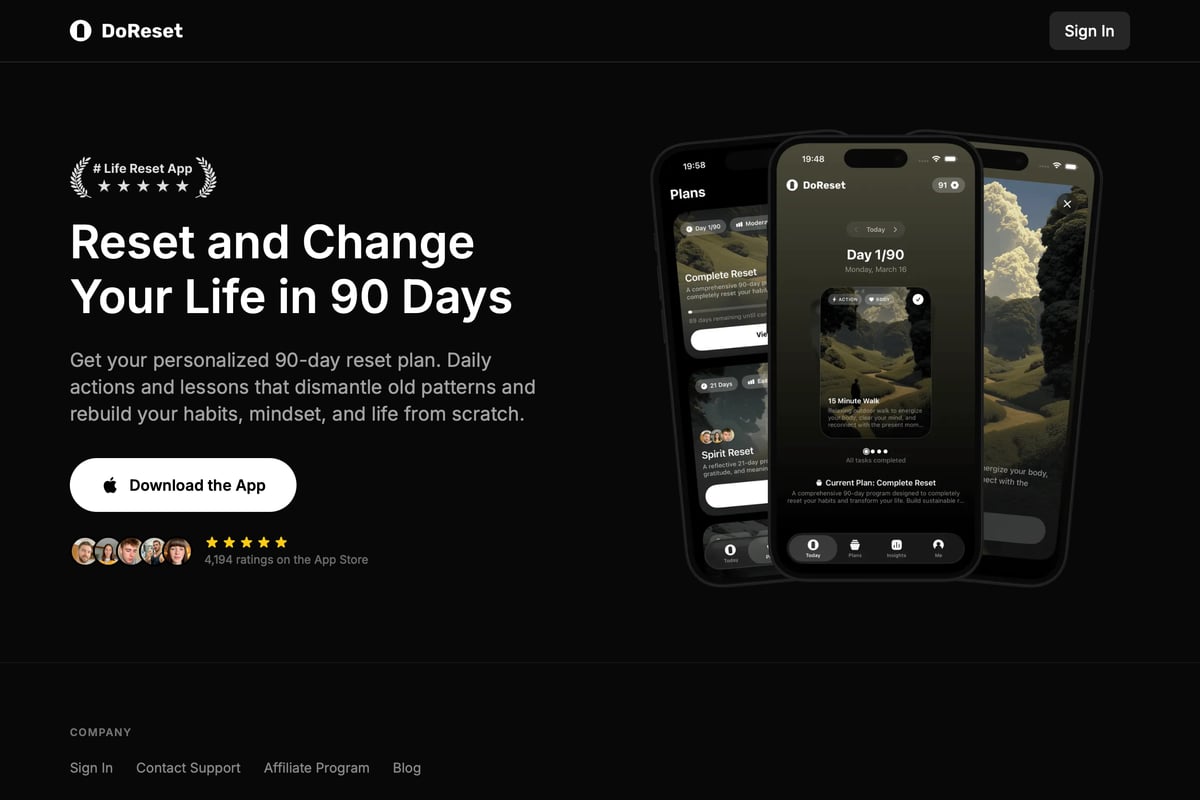
The DoReset mobile app provides personalized daily actions that can include meditation practices tailored to your specific transformation goals. Having structured guidance helps you maintain consistency during the crucial first 90 days when you're establishing new patterns.
Deepening Your Practice for Lasting Change
As you develop consistency with meditation, you'll naturally want to deepen your practice. This evolution happens organically when you approach meditation with curiosity rather than achievement mentality.
Exploring Different Traditions and Techniques
Various spiritual and philosophical traditions offer unique meditation approaches. Faith-based meditation practices might resonate if you have religious or spiritual inclinations. Buddhist meditation techniques offer structured paths for developing insight and compassion.
You don't need to adopt any particular belief system to benefit from these practices. Explore what resonates with you and leave what doesn't. Your meditation practice should feel authentic to who you are and who you're becoming.
Working with Difficult Emotions
As your meditation practice deepens, you'll inevitably encounter uncomfortable emotions. This isn't a problem. It's progress. Meditation creates a safe container to feel what you've been avoiding, and that emotional processing is essential for real transformation.
When painful emotions arise during meditation:
- Don't try to push them away or figure them out
- Locate where you feel the emotion in your body
- Breathe into that area with gentle awareness
- Allow the sensation to be there without story or judgment
- Notice how it shifts and changes when you stop resisting
This emotional awareness translates directly into everyday life, helping you respond to challenges with greater wisdom and less reactivity.
Measuring Progress Beyond the Cushion
The real measure of meditation for personal growth isn't how peaceful you feel during practice. It's how you show up in your life. Do you notice yourself pausing before reacting? Are you more patient with yourself and others? Can you return to center more quickly after being knocked off balance?
| Growth Indicator | Before Practice | After 30 Days | After 90 Days |
|---|---|---|---|
| Reaction time to stress | Immediate | Brief pause | Consistent awareness |
| Self-criticism frequency | Constant | Noticeable decrease | Compassionate default |
| Habit awareness | Minimal | Growing recognition | Clear pattern identification |
| Emotional regulation | Poor | Improving | Strong foundation |
These shifts might seem subtle at first, but they compound into profound life changes over time. Trust the process even when progress feels slow.

Creating Your Personal Meditation Practice Plan
Knowing about meditation doesn't create change. Practicing consistently does. Creating a structured plan increases your likelihood of success dramatically, especially during challenging periods when motivation wanes.
Designing Your Practice Environment
Your meditation space doesn't need to be elaborate, but it should support your practice. Choose a spot where you won't be interrupted. It might be a corner of your bedroom, a comfortable chair, or even a specific park bench. Consistency of location helps train your mind to settle more quickly.
Essential elements for your meditation space:
- Comfortable seating that supports alert posture
- Minimal visual distractions
- Timer or meditation app readily available
- Optional: cushion, blanket, or other comfort items
- Symbolic object that represents your commitment to growth
Building Your 90-Day Meditation Journey
Personal transformation happens in phases, and a 90-day commitment gives you enough time to move through initial resistance into genuine practice. This timeframe aligns perfectly with creating lasting habits that change your life.
Week 1-2: Foundation building Start with just five minutes daily. Focus on showing up consistently rather than having perfect sessions. Notice your resistance without judgment.
Week 3-4: Expanding awareness Increase to 10 minutes if it feels natural. Begin noticing how meditation affects your daily life. Track moments when you catch yourself being more aware or responsive.
Week 5-8: Deepening practice Experiment with different meditation styles. Notice which approaches resonate most. Begin extending your practice to informal moments throughout the day.
Week 9-13: Integration and refinement Your practice should feel more natural now. Focus on deepening quality rather than increasing duration. Reflect on how you've changed since beginning.
Connecting Meditation to Your Broader Goals
Meditation for personal growth becomes most powerful when connected to your specific transformation goals. Are you working to overcome anxiety? Build confidence? Improve relationships? Break free from addiction? Your meditation practice can specifically support these intentions.
Consider creating a personal growth and development plan that includes meditation as one component of a comprehensive transformation strategy. This integrated approach recognizes that sustainable change requires multiple supporting practices working together.
Leveraging Technology and Community Support
While meditation is ultimately a personal practice, you don't have to navigate the journey alone. Modern technology and community resources can significantly support your meditation for personal growth efforts.
Digital Tools and Apps for Consistency
Personalized meditation technology has evolved significantly, offering tailored experiences that adapt to your needs and progress. These tools provide structure, variety, and accountability that help many people maintain consistency.
Quality meditation apps offer guided sessions, progress tracking, and reminders that support daily practice. The key is finding tools that enhance your practice without becoming another source of distraction or comparison.
Learning from Teachers and Resources
Comprehensive meditation resources provide articles, workshops, and guidance for deepening your practice. While books and online content offer valuable information, consider working with a personal growth coach or meditation teacher if you find yourself stuck.
Teachers offer perspective you can't access alone, helping you navigate challenges and recognize blind spots. They've walked the path before you and can offer encouragement during difficult periods.
Building Accountability and Connection
Sharing your meditation journey with others creates natural accountability. This might mean joining a local meditation group, connecting with an online community, or simply telling a trusted friend about your practice and checking in regularly.
When you commit publicly to your practice, you're more likely to maintain consistency during challenging periods. You're also creating space to celebrate progress and receive support when obstacles arise.
Meditation as a Lifelong Growth Practice
The beauty of meditation for personal growth is that it evolves with you. What begins as a tool for managing stress or breaking habits can deepen into a profound practice that touches every aspect of your life. Your meditation practice at the beginning of your transformation journey will look different from your practice a year from now, and different still in five years.
This evolution is natural and welcome. As you grow and change, your practice grows and changes with you. The core remains the same: cultivating awareness, presence, and compassion. But how that manifests in your daily life will shift as you integrate new insights and face new challenges.
Sustaining Practice Through Life Changes
Life doesn't stop because you're meditating. You'll face periods when practice feels difficult or impossible. Job changes, relationship challenges, health issues, and unexpected crises will all test your commitment. These aren't reasons to abandon your practice. They're precisely when you need it most.
During difficult periods, be willing to adapt rather than abandon your practice. Five minutes of meditation is infinitely more valuable than zero minutes. A single conscious breath in a crisis moment demonstrates profound practice. Release attachment to how your practice "should" look and work with what's actually possible.
Recognizing the Ripple Effects
Perhaps the most profound aspect of meditation for personal growth is how it affects not just you, but everyone around you. As you become more patient, present, and compassionate with yourself, those qualities naturally extend to your relationships, work, and community.
You might notice you listen more deeply when others speak. You might find yourself less reactive during conflicts. You might discover increased creativity, clarity in decision-making, or simply a greater sense of ease in navigating daily life. These aren't side effects. They're the whole point.
Your personal transformation creates permission and possibility for others to change too. When people witness your growth, they begin to believe in their own capacity for change. This ripple effect extends far beyond what you can measure or see.
Meditation for personal growth offers a pathway to lasting transformation that honors both your current struggles and your future potential. By cultivating awareness, compassion, and presence through daily practice, you build the inner resources needed to dismantle old patterns and rebuild your life with intention and clarity. If you're ready to commit to comprehensive transformation, DoReset provides a personalized 90-day plan with daily actions and lessons designed to support your complete reset journey, integrating meditation and mindfulness into a broader framework for lasting change.