
How to Change Life: A Compassionate Guide to Transformation

Doreset
March 12, 2026
We all reach moments when we know something needs to shift. Maybe you've been feeling stuck in the same patterns for years, watching opportunities pass by while staying frozen in familiar discomfort. Or perhaps a life event has shaken your foundation, leaving you wondering who you are anymore. The desire to change life isn't just about dissatisfaction-it's about recognizing your potential for growth and having the courage to reach for it. This transformation isn't reserved for a lucky few; it's accessible to anyone willing to engage with the process honestly and compassionately.
Understanding the Psychology Behind Personal Change
When we talk about wanting to change life, we're really discussing something profound: the reconstruction of identity, habits, and perspective. Research in personality development across the lifespan shows that meaningful transformation happens through a combination of internal motivation and external support systems.
The process isn't linear. Some days you'll feel unstoppable, ready to tackle every challenge. Other days, the weight of old patterns will pull you back toward what feels safe and known.
Both experiences are normal.
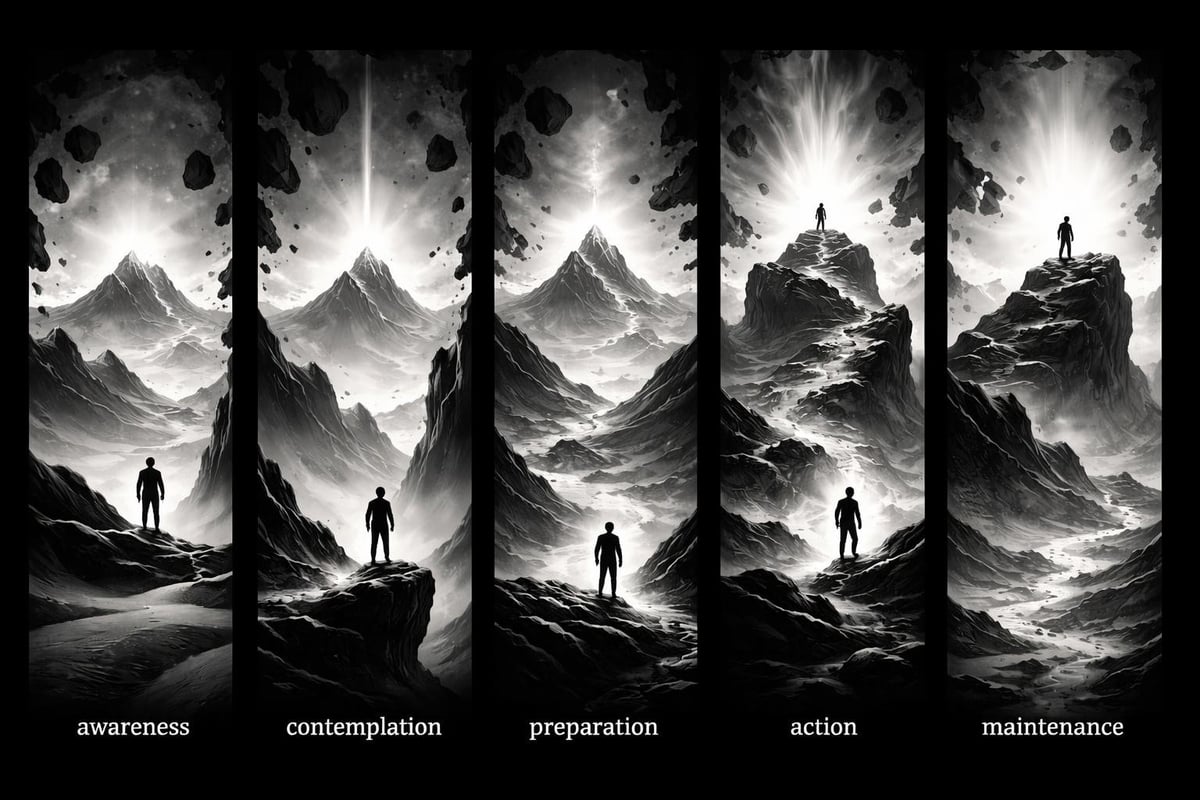
Understanding the Transtheoretical Model of behavior change helps us recognize that transformation moves through distinct stages:
- Precontemplation (not yet aware of the need for change)
- Contemplation (recognizing the need but feeling ambivalent)
- Preparation (making plans and small commitments)
- Action (actively modifying behavior)
- Maintenance (working to sustain new patterns)
Each stage requires different strategies and self-compassion. You can't rush from contemplation to maintenance-the work happens in layers.
Identifying What Actually Needs to Change
Before you can effectively change life, you need clarity about what specifically isn't working. This sounds simple, but many people skip this crucial step, jumping straight to solutions without understanding the real problem.
The Three Levels of Change
| Level | What Changes | Examples | Depth of Impact |
|---|---|---|---|
| Surface | Visible behaviors | Sleep schedule, exercise routine, social media use | Immediate but temporary without deeper work |
| Middle | Thought patterns and habits | Self-talk, decision-making processes, emotional responses | Moderate lasting change |
| Deep | Core beliefs and identity | Who you believe you are, what you deserve, your purpose | Fundamental transformation |
Most people focus exclusively on surface changes because they're visible and measurable. You start going to the gym, eating healthier, or waking up earlier. These matter, but without addressing the middle and deep levels, surface changes rarely stick.
The middle level-your habitual thought patterns-acts as the bridge between behavior and belief. When you notice yourself thinking "I always mess things up" or "I'm not the kind of person who succeeds," you're encountering the thought patterns that reinforce old behaviors.
Deep-level change involves questioning the fundamental stories you tell about yourself. This is where you confront beliefs formed in childhood, shaped by trauma, or reinforced through years of repetition. It's the most challenging work, but it's also where lasting transformation happens.
Practical Self-Assessment
Take time to journal about these questions without filtering or judging your responses:
- What specific situations consistently trigger stress or unhappiness?
- What patterns keep repeating regardless of external circumstances?
- What would need to change for you to feel aligned with your authentic self?
- What fears arise when you imagine making those changes?
Your honest answers reveal where the real work needs to happen. Understanding the psychology of change helps us recognize that context matters tremendously-the changes needed during a career transition differ from those required after relationship loss.
Building a Foundation for Sustainable Transformation
Once you understand what needs to shift, the next challenge is creating conditions that support lasting change. This is where many well-intentioned efforts collapse. You can't just willpower your way through transformation while keeping everything else in your life exactly the same.
Your environment either supports or sabotages your efforts to change life.
Consider these foundational elements:
- Physical space: Does your home environment reflect old patterns or new intentions?
- Social connections: Do the people around you encourage growth or reinforce old behaviors?
- Daily rhythms: Are your routines designed for who you're becoming or who you've been?
- Information diet: What content, media, and conversations fill your mind daily?
The DoReset mobile app addresses this challenge by providing daily actions and lessons that progressively build on each other, helping you systematically dismantle old patterns while constructing new ones. Rather than relying solely on motivation, structured guidance creates accountability and direction through the messy middle of transformation.

The Role of Identity in Lasting Change
James Clear popularized the concept of identity-based habits, but the principle runs deeper. When you try to change life without shifting your sense of self, you create internal conflict. Part of you pushes forward while another part pulls back toward familiar territory.
Instead of saying "I want to exercise more," the identity shift sounds like "I'm becoming someone who values physical vitality." The difference seems subtle but profoundly affects behavior. The first version requires constant decision-making and motivation. The second becomes an expression of who you are.

Navigating the Emotional Landscape of Change
Let's be honest: the process of trying to change life often feels terrible before it feels better. You're grieving the familiar while stepping into the unknown. Both experiences deserve acknowledgment and compassion.
Research on life satisfaction changes during adulthood shows that adaptation to new circumstances takes time. The initial discomfort doesn't mean you're doing something wrong-it means you're doing something different, which your brain initially interprets as dangerous.
Common Emotional Challenges
Resistance and self-sabotage: Just as you build momentum, you suddenly find yourself engaging in the exact behaviors you committed to stopping. This isn't weakness; it's your nervous system trying to return to homeostasis. Old patterns feel safe because they're known, even when they're harmful.
Grief for the old self: Even when leaving behind painful patterns, you may mourn their loss. These patterns served a purpose once, protected you in some way, or formed part of your identity. Letting them go creates genuine loss.
Fear of success: Paradoxically, the closer you get to positive change, the more anxiety may surface. Success means entering unfamiliar territory where different challenges await. Your mind might catastrophize about new problems you'll face if you actually succeed.
Loneliness during transition: As you change life, relationships naturally shift. Some connections deepen while others fall away. This pruning process, while ultimately healthy, can feel isolating in the moment.
Emotional Regulation Strategies
Rather than fighting difficult emotions, practice acknowledging them while continuing to move forward:
- Name the emotion specifically (anxious, disappointed, frustrated, overwhelmed)
- Locate it in your body (tight chest, clenched jaw, heavy shoulders)
- Breathe into the sensation without trying to change it
- Remind yourself: "This feeling is temporary; my commitment is not"
Studies on positive quality of life changes during therapeutic processes demonstrate that acknowledging and working with difficult emotions, rather than suppressing them, accelerates meaningful growth.
Creating Structure That Supports Daily Progress
Transformation happens not in dramatic moments but in small, consistent actions repeated over time. The challenge is maintaining those actions when motivation fades, which it inevitably will.
The 90-Day Framework
Research suggests that meaningful habit formation and pattern change requires approximately three months of consistent practice. This timeframe isn't arbitrary-it's long enough to move through initial resistance, encounter real obstacles, and build genuine momentum.
Breaking down a 90-day change life journey into phases creates manageable milestones:
| Phase | Days | Focus | Key Challenge |
|---|---|---|---|
| Foundation | 1-30 | Establishing new routines and breaking old ones | Novelty wears off; initial excitement fades |
| Integration | 31-60 | Deepening practices and addressing resistance | Old patterns resurface; doubt intensifies |
| Consolidation | 61-90 | Solidifying identity shifts and planning ahead | Maintaining momentum; preventing complacency |
Each phase requires different support. Early days need enthusiasm and clear direction. The middle stretch demands accountability and encouragement. The final phase benefits from reflection and forward planning.
Daily Action Over Grand Gestures
You don't change life through occasional heroic efforts. You change it through unremarkable consistency. This truth feels disappointing to our achievement-oriented minds that crave dramatic transformation stories.
The mundane is where mastery lives.
Consider implementing a daily practice that addresses multiple levels of change:
- Morning: Set intention for who you're becoming today (identity level)
- Midday: Notice and redirect one unhelpful thought pattern (mental level)
- Evening: Reflect on one action that aligned with your new direction (behavioral level)
This simple structure, maintained consistently, creates compound growth. You can explore more resources and community support through the DoReset blog, where you'll find additional strategies for maintaining momentum throughout your journey.
The Role of Social Connection in Personal Transformation
Research on social identity and health during life changes reveals something crucial: our social connections profoundly impact our ability to sustain personal transformation. You're not just changing yourself; you're renegotiating your relationships with everyone around you.
Navigating Relationship Shifts
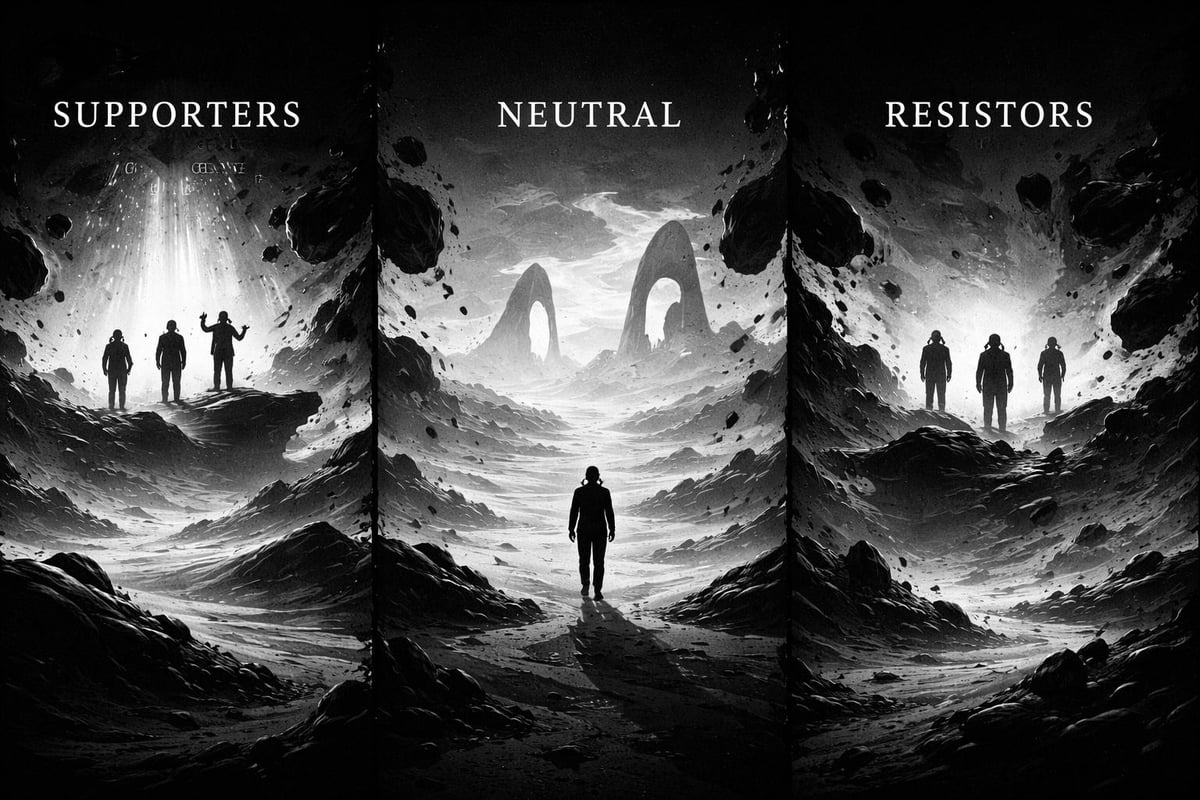
As you begin to change life, three types of relationships will emerge:
Supporters: These people actively encourage your growth, even when it makes them uncomfortable or requires them to adjust. They celebrate your wins and compassionately support you through setbacks.
Neutral parties: These relationships neither help nor hinder. They remain consistent regardless of your changes, providing stability without necessarily understanding your journey.
Resistors: Some people in your life will consciously or unconsciously work against your transformation. Often, your change threatens their own sense of stability or highlights changes they're avoiding.
You don't need to end relationships with resistors, but you do need boundaries. Limit how much influence they have over your daily mindset and decisions. Seek active support from your supporters while maintaining compassionate distance from those who undermine your efforts.
Finding Your Transformation Community
Isolation makes sustainable change nearly impossible. Finding others on similar journeys-whether through online communities, local groups, or structured programs-provides essential support. These connections offer:
- Accountability without judgment
- Shared strategies and resources
- Normalized struggles and challenges
- Celebration of progress
- Perspective during setbacks
The DoReset community connects individuals engaged in intentional 90-day transformation, creating space where your efforts to change life are understood and supported by others doing the same work.
Measuring Progress Beyond Surface Metrics
When you're working to change life, external metrics only tell part of the story. Yes, track the visible markers-habits completed, days consistent, goals achieved-but don't neglect the internal shifts that matter more.
Internal Indicators of Transformation
Pay attention to these subtle but significant changes:
- Increased self-awareness: Noticing patterns as they happen rather than only in retrospect
- Reduced reactivity: Creating space between trigger and response
- Expanded capacity: Handling challenges that would have previously overwhelmed you
- Aligned decision-making: Choices that reflect your values without extensive deliberation
- Authentic expression: Showing up as yourself rather than performing expected roles
Research on psychological richness as a dimension of life satisfaction suggests that meaningful change includes embracing challenging experiences that expand perspective and deepen understanding, not just pursuing comfort or achievement.
The Non-Linear Nature of Progress
Your journey to change life won't follow a steady upward trajectory. Some weeks you'll make leaps forward. Others, you'll feel like you've regressed completely. This isn't failure-it's the natural rhythm of transformation.
Imagine progress as a spiral rather than a straight line. You might revisit old struggles, but each time you do, you're encountering them from a different level of awareness and capability. The issue that completely derailed you three months ago might now be a minor inconvenience you handle and move past.
Track your journey in multiple ways:
- Quantitative: Days completed, habits maintained, goals achieved
- Qualitative: Journal reflections, emotional patterns, insight moments
- Relational: Changes in how you show up in relationships
- Experiential: New activities attempted, risks taken, comfort zone expansions
This multidimensional view prevents you from becoming discouraged when one metric temporarily stalls while others continue advancing.
Addressing Common Obstacles and Setbacks
Every attempt to change life encounters obstacles. The difference between those who succeed and those who give up isn't the absence of challenges-it's how they respond when challenges appear.
The Perfectionism Trap
Many people abandon their transformation efforts the first time they miss a day, skip a practice, or fall back into old patterns. This all-or-nothing thinking destroys more change efforts than any external obstacle.
Perfection isn't the goal; direction is.
When you stumble-and you will-practice what psychologists call "self-compassionate responding":
- Acknowledge the setback without dramatizing it
- Identify what contributed to the difficulty
- Adjust your approach based on that information
- Resume your practice without punishing yourself
One missed day doesn't erase previous progress. It's simply data about what circumstances challenge you most.
Motivation Myths
Waiting to feel motivated before taking action is backwards. Action often precedes motivation, not the other way around. You build motivation through small wins and forward momentum, not through mental preparation.
On days when you feel zero desire to continue working to change life, do the absolute minimum. Show up in the smallest possible way. This maintains your identity as someone who keeps commitments even when it's hard, which matters far more than any single day's effort.
The Plateau Phase
After initial progress, you'll likely hit a plateau where visible change seems to stop. This phase frustrates many people into quitting right before breakthrough happens.
During plateaus, internal integration is occurring. Your nervous system is consolidating new patterns, making them automatic rather than conscious. This invisible work is essential, even though it doesn't feel productive.
Continue your practices during plateaus with trust that beneath the surface, transformation continues. Studies on motivation behind changing life direction show that persistence through difficulty, supported by appropriate resources, differentiates those who successfully transform from those who repeatedly restart.
Integrating Change Into Long-Term Identity
The final phase of transformation involves making new patterns so deeply ingrained that they become who you are, not something you do. This integration distinguishes temporary change from permanent transformation.
Moving From Conscious to Automatic
Early in your journey to change life, every new behavior requires conscious effort and decision-making. You must remind yourself, push yourself, recommit yourself daily. This is exhausting but necessary.
Over time, with consistent practice, these conscious choices become automatic responses. You don't debate whether to engage in your new habit-you just do it. This shift indicates that new neural pathways have formed and strengthened, making the behavior your default rather than your exception.
Integration milestones include:
- Engaging in new behaviors without pre-planning
- Feeling uncomfortable when you skip new practices
- Others commenting on changes they notice in you
- Old temptations losing their appeal
- New challenges feeling manageable rather than overwhelming
Planning for Continued Growth
Transformation isn't a destination where you arrive and then maintain forever. It's a continuous process of becoming. Once you complete a focused change period, new opportunities and challenges emerge.
Rather than returning to autopilot after achieving initial goals, establish practices that support ongoing evolution:
- Regular reflection periods (weekly, monthly, quarterly)
- Continued learning through books, courses, experiences
- New challenges that stretch current capabilities
- Community connections with others committed to growth
- Service or mentorship that reinforces your own transformation
This approach prevents the common pattern of achieving change, gradually slipping back into old patterns, then needing to start over. Instead, you create a lifestyle of intentional evolution.
The journey to change life requires courage, consistency, and compassion for yourself through all its phases. You'll face resistance, both internal and external. You'll question whether the discomfort of growth is worth it. You'll sometimes wonder if real transformation is even possible for you. These doubts don't disqualify you-they make you human. If you're ready to stop cycling through the same patterns and commit to systematic transformation, DoReset provides the personalized 90-day framework, daily guidance, and supportive structure to help you dismantle what's not working and rebuild from a foundation of intention and self-knowledge.