
Personal Development Ideas to Transform Your Life

DoReset
May 17, 2026
You've probably felt it before-that nagging sense that you're capable of so much more. Maybe you've tried to change, started strong, then watched your motivation fade like morning mist. If you're reading this, you're not looking for quick fixes or empty promises. You're searching for genuine personal development ideas that actually work, strategies that honor where you are right now while helping you become who you want to be. The truth is, meaningful transformation doesn't happen by accident. It requires intention, structure, and the courage to look honestly at the patterns holding you back.
Understanding the Foundation of Personal Growth
Personal development isn't about fixing what's broken. It's about recognizing your potential and creating the conditions for it to flourish.
Too often, we approach personal development as if we need to become someone completely different. We don't. We need to become more of who we already are beneath the layers of conditioning, fear, and old stories. This distinction matters because it changes everything about how we pursue growth.
The Power of Structured Transformation
When you're standing in the middle of your life wanting things to be different, the biggest challenge isn't knowing what to do. It's knowing where to start and how to sustain momentum when the initial excitement fades.
Research shows that personal characteristics significantly influence self-improvement efforts, but structure and accountability make the difference between temporary enthusiasm and lasting change. Think of it like building a house. You wouldn't start hanging pictures before laying the foundation. Personal growth works the same way.
Key elements of structured growth:
- Daily actions that compound over time
- Clear benchmarks for measuring progress
- Built-in accountability systems
- Flexibility to adjust as you learn
- Support during difficult phases
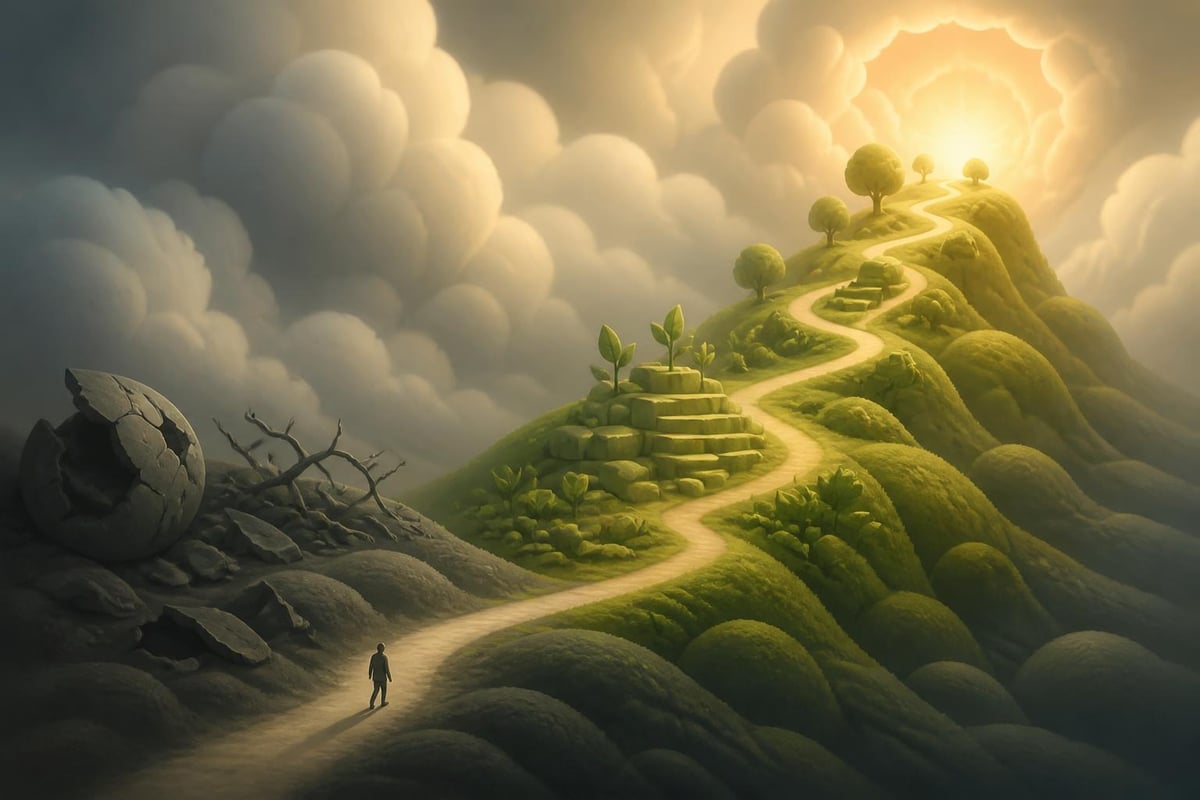
The 90-day timeframe isn't arbitrary. It's long enough to dismantle deeply rooted patterns and short enough to maintain focus without feeling overwhelming. When you commit to changing your mindset systematically over three months, you give your brain time to rewire while your habits solidify.
Essential Personal Development Ideas for Real Change
Let's explore practical personal development ideas that address different dimensions of your life. These aren't theoretical concepts-they're actionable strategies you can implement starting today.
Redesigning Your Daily Rhythms
Your days create your life. If you want a different life, you need different days. This might sound simple, but it's profound.
Most people underestimate the power of planning your day with genuine intention. Not just scheduling tasks, but designing the rhythm of your energy, attention, and effort. Morning routines get a lot of attention, but what about the transitions between activities? The way you end your workday? The final hour before sleep?
Morning practices that matter:
- Hydrate before you caffeinate
- Move your body for 10-15 minutes
- Review your intentions for the day
- Engage with something that inspires you
- Avoid reactive media consumption for the first hour
Evening practices for integration:
- Reflect on what you learned today
- Acknowledge three things that went well
- Prepare tomorrow's environment
- Disconnect from screens 30-60 minutes before bed
- Practice gratitude or journaling
The practice of journaling has shown remarkable benefits for mental health and identity development, providing a space to process experiences and clarify thinking.
Building Discipline Through Systems
Discipline isn't about willpower. It's about removing the need for willpower through intelligent system design.
When you're trying to build discipline, focus on making desired behaviors automatic and undesired behaviors inconvenient. This is environmental design, and it's one of the most underutilized personal development ideas available.
| Area of Life | System Example | Why It Works |
|---|---|---|
| Health | Gym clothes laid out the night before | Reduces morning decision fatigue |
| Learning | Book on pillow instead of phone on nightstand | Makes reading the path of least resistance |
| Relationships | Weekly calendar block for quality time | Protects what matters from urgent distractions |
| Finance | Automatic transfers to savings on payday | Removes temptation and manual effort |
Cultivating Mental and Emotional Resilience
Your capacity to handle difficulty determines your capacity for growth. They're inseparable.
Personal development encompasses resilience, happiness, and work-life balance-each requiring dedicated attention and practice. Emotional resilience isn't about being tough or suppressing feelings. It's about developing the capacity to feel deeply while maintaining perspective and choice.
One powerful practice: when you notice anxiety or overwhelm, pause and identify the specific fear underneath. "I'm stressed about work" becomes "I'm afraid I'm not good enough" or "I'm worried about disappointing people." This specificity transforms vague discomfort into something you can actually work with.
Practices for emotional regulation:
- Name your emotions without judgment
- Identify physical sensations associated with feelings
- Question the stories you tell yourself
- Distinguish between facts and interpretations
- Develop a personal "pause" ritual for reactive moments
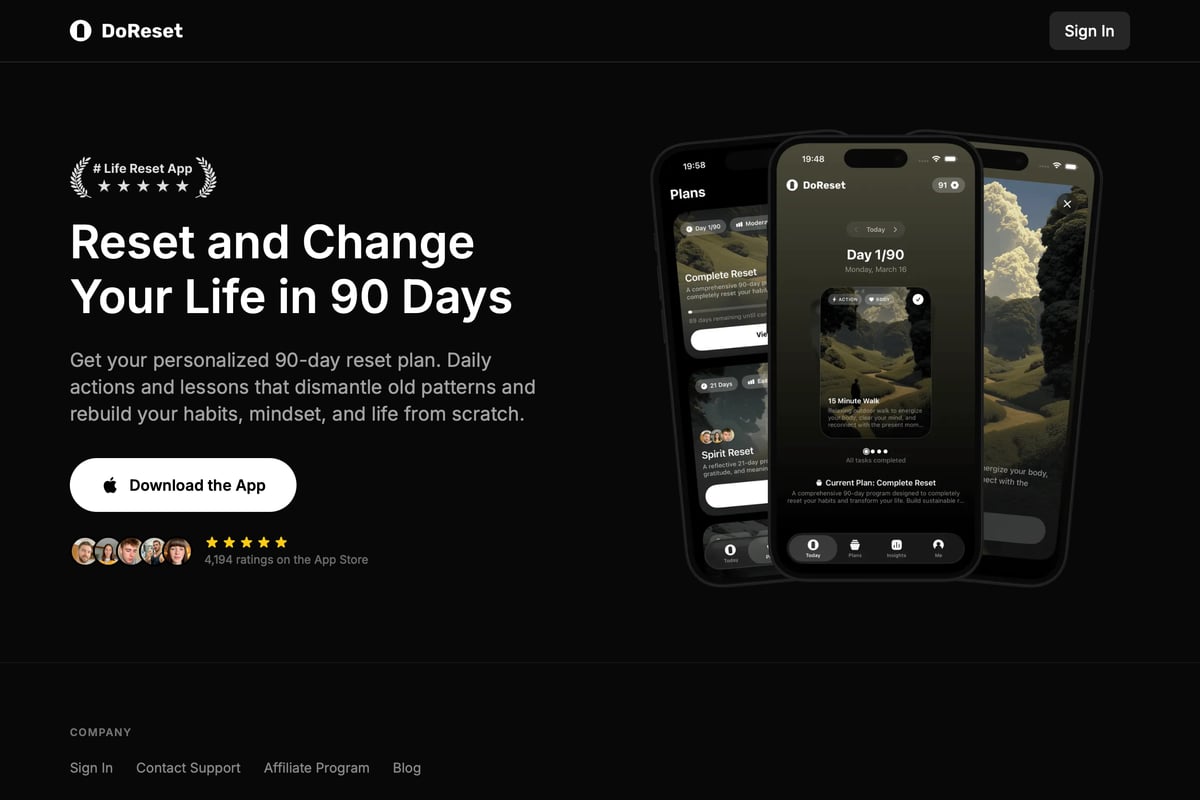
When you're ready to make sustainable changes to how you respond to life's challenges, the DoReset mobile app provides personalized daily actions designed to help you dismantle reactive patterns and build new, healthier responses over 90 days.

Advanced Personal Development Ideas for Deeper Transformation
Once you've established basic practices, these advanced personal development ideas can take your growth to new levels.
Rewriting Your Internal Narratives
You have stories about who you are, what you deserve, and what's possible for you. Most of them were written when you were too young to question them.
The stories running in the background of your mind shape every decision, relationship, and opportunity you encounter. Changing for life requires identifying these narratives and consciously deciding which ones serve you.
Here's a powerful exercise: Complete these sentences honestly, then ask yourself where each belief came from and whether it's still true.
- "People like me don't..."
- "I could never..."
- "I'm the kind of person who..."
- "Success/love/happiness means..."
- "I'm not enough because..."
The discomfort you feel doing this exercise? That's the edge of growth. Stay with it.
Creating Meaningful Connections
Personal development doesn't happen in isolation. The quality of your relationships directly impacts the quality of your growth.
Psychology Today highlights the importance of holistic wellness and community support in personal growth journeys. You need people who see your potential, call you on your patterns, and celebrate your progress.
But here's what matters more than the number of connections: the depth and authenticity of them. One genuine friendship where you can be completely yourself is worth more than a dozen surface-level relationships.
Questions to deepen existing relationships:
- What are you genuinely excited about right now?
- What's challenging you lately?
- How have you changed in the past year?
- What do you need support with?
- How can I be a better friend/partner/colleague to you?
Developing Your Unique Purpose
Purpose isn't something you find. It's something you cultivate through attention and action.
The pressure to discover your "one true calling" paralyzes more people than it helps. Instead, explore what ideas for personal growth resonate with you right now. Your purpose will emerge from consistent engagement with what matters to you.
Start by identifying your non-negotiables. What values are so fundamental that compromising them leaves you feeling hollow? These become your compass when making decisions about how to spend your time, energy, and attention.
Practical Implementation Strategies
Knowledge without implementation is just entertainment. Let's talk about how to actually apply these personal development ideas.
The 90-Day Reset Framework
Three months is the optimal timeframe for significant transformation. Long enough for real change, focused enough to maintain commitment.
Phase 1 (Days 1-30): Dismantling
- Identify limiting patterns and beliefs
- Track current habits without judgment
- Create awareness of automatic behaviors
- Begin small, sustainable changes
- Build your support system
Phase 2 (Days 31-60): Rebuilding
- Implement new habits consistently
- Adjust based on what you're learning
- Deepen practices that resonate
- Address resistance as it arises
- Celebrate small wins
Phase 3 (Days 61-90): Solidifying
- Integrate changes into identity
- Develop systems for long-term maintenance
- Prepare for challenges ahead
- Reflect on growth and lessons
- Plan your next phase
This structured approach to personal growth and development ensures you're not just collecting ideas but actually implementing them in a way that creates lasting change.
Measuring Progress Without Losing Perspective
What gets measured gets managed, but not everything that matters can be measured.
You need both quantitative and qualitative markers of growth. Track specific behaviors (days you exercised, hours you studied, conversations you initiated), but also reflect on how you feel, how you're showing up, and what's becoming easier.
| Quantitative Markers | Qualitative Markers |
|---|---|
| Habit completion rate | Energy levels throughout the day |
| Time spent on priorities | Quality of relationships |
| Books read, courses completed | Sense of purpose and direction |
| Savings rate or debt reduction | Emotional resilience in challenges |
| Exercise frequency and duration | Self-compassion in setbacks |
The most important question isn't "Am I where I thought I'd be?" but "Am I moving in a direction that feels aligned and meaningful?"
Handling Setbacks and Resistance
You will have bad days. You will skip workouts, break commitments, and fall back into old patterns. This isn't failure. It's part of the process.
The difference between people who transform and people who stay stuck isn't that successful people never stumble. It's that they don't let a setback become a reason to quit. They treat it as data, adjust, and continue.
When you encounter resistance, get curious about it instead of fighting it. What is this resistance protecting you from? What fear is underneath the procrastination or self-sabotage? Often, resistance is trying to keep you safe, even when safety means staying small.
Strategies for working with resistance:
- Acknowledge it without judgment
- Identify the fear or need underneath
- Start with the smallest possible action
- Seek support from others who understand
- Remember your why when motivation fades
Integrating Personal Development Into Daily Life
The goal isn't to have personal development be separate from your "real life." The goal is for your entire life to become an expression of your values and intentions.
Making Growth Sustainable
Burnout isn't a badge of honor. It's a sign that something needs to change.
Sustainable growth requires rest, play, and integration time. Your brain needs downtime to process and consolidate new learning. Your body needs recovery to build strength. Your spirit needs spaciousness to connect with what matters most.
The most powerful personal development ideas often involve subtraction, not addition. What can you remove from your life to create space for what truly matters? What commitments are you maintaining out of obligation rather than alignment?
Building Your Personal Growth Ecosystem
You need more than individual practices. You need an ecosystem that supports continuous evolution.
This includes:
- People who challenge and support you
- Environments that reflect your values
- Rhythms that honor your energy
- Systems that reduce friction
- Resources that inspire and educate
- Rituals that ground and center you
Think of your life as a garden. You're not just planting seeds (new habits). You're also pulling weeds (old patterns), enriching the soil (your environment), and protecting young plants from harsh conditions (your boundaries and support systems).
When you commit to rebuilding your life with this holistic approach, transformation becomes not just possible but inevitable. It's not about forcing change through sheer will. It's about creating conditions where growth happens naturally.
The Role of Professional Guidance
There's tremendous value in working with someone who's trained to guide transformation. A mentor, coach, or therapist can see patterns you're too close to notice and hold space for your growth in ways friends and family often can't.
Personal development planning often benefits from external perspective and structured support. This doesn't mean you're weak or broken. It means you're serious about growth and wise enough to recognize when expertise can accelerate your progress.
Personal development isn't a destination where you finally arrive complete and finished. It's an ongoing practice of becoming more aligned with who you truly are and what genuinely matters to you. The personal development ideas shared here are starting points, invitations to explore what resonates and discard what doesn't. When you're ready for structured, personalized support in transforming your habits, mindset, and life, DoReset offers a comprehensive 90-day program with daily actions and lessons designed specifically for people committed to lasting change. Your transformation begins with a single decision to start.