
Ideas for Personal Growth: Transform Your Life in 2026

Doreset
April 2, 2026
We all reach moments when we sense something needs to shift. Maybe you're feeling stuck in routines that no longer serve you, or perhaps you've recognized patterns that keep holding you back from becoming who you truly want to be. The good news? Personal growth isn't reserved for a select few. It's available to anyone willing to look inward, acknowledge what isn't working, and take intentional steps forward. Throughout this article, we'll explore practical ideas for personal growth that can help you dismantle what's broken and rebuild something stronger.
Understanding the Foundation of Personal Growth
Personal growth begins with honest self-awareness. Before you can change anything, you need to understand where you are right now and why certain patterns exist in your life.
The Power of Pattern Recognition
Many of us move through life on autopilot, repeating behaviors without questioning their origin or impact. Personal development requires us to pause and examine these automatic responses.
Ask yourself these questions:
- What situations trigger stress or anxiety in my daily life?
- Which relationships drain my energy versus which ones uplift me?
- When do I feel most aligned with my values?
- What habits have I maintained simply because they're familiar?
This reflection isn't about judgment. It's about gathering data on yourself with compassion and curiosity.
Creating Space for Transformation
Once you've identified patterns that aren't serving you, you need to create mental and physical space for new ones to emerge. This might mean rebooting your life in ways that feel uncomfortable at first.
Physical space: Declutter your environment, organize your workspace, or rearrange your living area to support new habits.
Mental space: Practice saying no to commitments that drain you, establish boundaries with people who don't respect your growth, and limit exposure to content that triggers comparison or negativity.
Emotional space: Allow yourself to feel difficult emotions without immediately trying to fix or suppress them.

Practical Ideas for Personal Growth That Create Lasting Change
Theory is valuable, but transformation happens through action. Here are concrete ideas for personal growth that you can implement starting today.
Build a Morning Ritual That Sets Your Day's Direction
How you begin your day often determines its trajectory. Instead of reaching for your phone and immediately absorbing other people's priorities, design a morning sequence that grounds you in your own intentions.
| Morning Ritual Component | Time Needed | Primary Benefit |
|---|---|---|
| Mindful breathing or meditation | 5-10 minutes | Mental clarity and emotional regulation |
| Journaling or reflection | 10-15 minutes | Self-awareness and goal alignment |
| Physical movement | 15-30 minutes | Energy boost and stress reduction |
| Learning (reading, podcast) | 10-20 minutes | Continuous growth and inspiration |
You don't need to adopt all of these at once. Start with one element and build from there. The key is consistency, not perfection.
Embrace Discomfort as a Growth Indicator
One of the most powerful ideas for personal growth involves reframing your relationship with discomfort. When you feel resistance, anxiety, or fear around a particular action, it often signals an opportunity for expansion.
This doesn't mean seeking out pain for its own sake. It means recognizing that growth lives just outside your comfort zone. When you're learning a new skill, having a difficult conversation, or changing your mindset, discomfort is feedback that you're stretching into new territory.
Practice this approach:
- Notice when you feel resistance to something important
- Name the specific fear or concern behind the resistance
- Ask yourself: "What's the worst realistic outcome?"
- Identify one small action you can take despite the discomfort
- Reflect on what you learned afterward
Develop a Learning Protocol That Compounds Over Time
Education doesn't end with formal schooling. The most successful personal growth journeys involve fostering continuous learning throughout your life.
Create a systematic approach to acquiring new knowledge and skills:
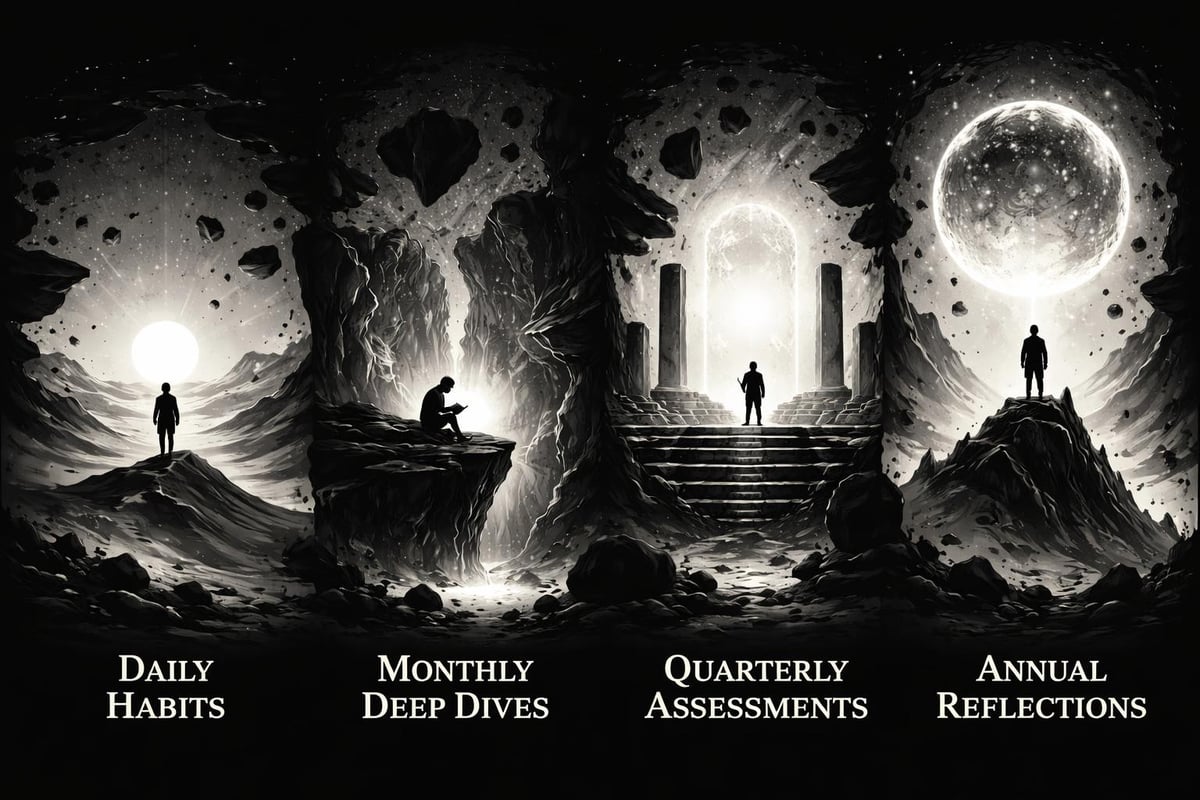
- Daily learning habit: Dedicate 20-30 minutes each day to reading, online courses, or skill practice
- Monthly deep dive: Choose one topic each month to explore thoroughly through multiple sources
- Quarterly skill assessment: Review what you've learned and identify gaps or areas for deeper exploration
- Annual reflection: Evaluate how your knowledge has translated into tangible life improvements
The compound effect of consistent learning transforms not just what you know, but how you think and solve problems.
Rebuilding Your Internal Architecture
Surface-level changes rarely stick because they don't address the underlying beliefs and thought patterns that drive behavior. Lasting personal growth requires you to rebuild life from the foundation up.
Challenge Your Core Beliefs
We all carry beliefs about ourselves, others, and the world that we've never consciously examined. Many were formed in childhood or during difficult experiences and may no longer reflect reality.
Write down your beliefs in key life areas:
- About yourself: "I'm not creative," "I'm bad with money," "I'm too old to change"
- About relationships: "People can't be trusted," "I need to earn love," "Conflict means failure"
- About success: "Success requires sacrifice," "Money is scarce," "I don't deserve good things"
Now ask: Where did this belief come from? Is it absolutely true? What evidence contradicts it? What would be possible if I released this belief?
Implement a Daily Reset Practice
Among the most valuable ideas for personal growth is the concept of daily resets. Rather than waiting for major life events to trigger change, you can create micro-transformations every single day.
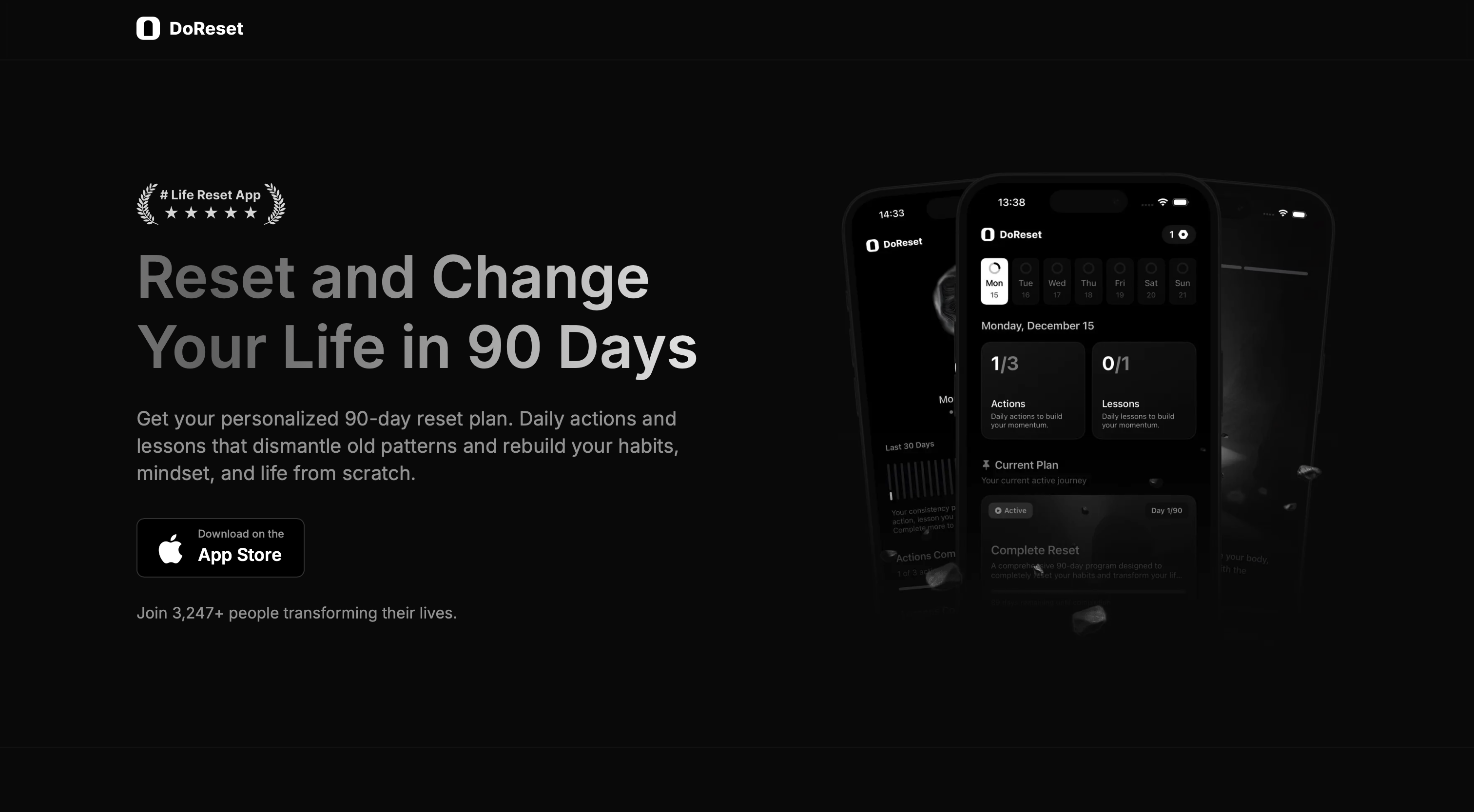
A structured approach can guide you through this process systematically. The DoReset mobile app provides a personalized 90-day reset plan with daily actions and lessons designed to dismantle old patterns and rebuild your habits, mindset, and life from scratch. This type of guided framework ensures you're not just thinking about change but actively implementing it through consistent, manageable steps.
Rewrite Your Internal Narrative
The stories you tell yourself about your experiences shape your reality. Two people can go through identical situations and emerge with completely different narratives based on the meaning they assign to events.
| Limiting Narrative | Empowering Narrative |
|---|---|
| "I failed again, just like always" | "I gathered valuable data about what doesn't work" |
| "Nobody appreciates what I do" | "I'm learning to value my own contributions" |
| "I'm stuck in this situation" | "I'm gathering resources to create new options" |
| "This always happens to me" | "I'm recognizing a pattern I can now change" |
Pay attention to your self-talk this week. When you notice a limiting narrative, pause and consciously reframe it using language that emphasizes agency, growth, and possibility.
Creating Systems That Support Sustainable Growth
Motivation is wonderful, but systems are what create lasting transformation. Ideas for personal growth become life-changing when you embed them into reliable structures.
Design Environmental Cues
Your environment constantly sends signals that either support or undermine your growth. Take control of these cues deliberately.
If you want to read more: Place books on your nightstand, couch, and dining table. Remove easy distractions like keeping your phone in another room.
If you want to exercise regularly: Lay out workout clothes the night before. Keep a yoga mat rolled out in a visible spot. Schedule exercise appointments in your calendar.
If you want to eat healthier: Prep ingredients on Sunday. Keep healthy snacks at eye level. Make nutritious options the path of least resistance.
Build Accountability Into Your Process
Transformation is harder in isolation. While personal growth is inherently individual, having external accountability dramatically increases your success rate.
Consider these accountability approaches:
- Weekly check-ins with a growth partner: Share your intentions on Sunday, report progress on Saturday
- Public commitment: Tell trusted friends about your goals or share progress on social media
- Structured programs: Join courses, coaching programs, or guided plans that include built-in accountability
- Tracking systems: Use apps, journals, or spreadsheets to maintain visible records of your progress
When you know someone else will ask about your progress, you're more likely to follow through even when motivation wanes.
Practice Reflective Integration
Taking action is crucial, but reflection is what transforms experience into wisdom. Without regular integration practices, you risk staying busy without making meaningful progress.
Daily reflection (5 minutes):
- What went well today?
- What challenged me?
- What did I learn about myself?
Weekly review (20 minutes):
- Did my actions align with my stated priorities?
- What patterns am I noticing?
- What needs adjustment for next week?
Monthly assessment (60 minutes):
- How have I grown this month?
- What goals need recalibration?
- What am I grateful for in my journey?
These reflection periods aren't optional extras. They're essential components of lifelong lessons that compound over time.

Navigating Common Obstacles to Personal Growth
Even with the best ideas for personal growth, you'll encounter resistance. Knowing these obstacles in advance helps you prepare effective responses.
The Comparison Trap
Social media makes it easy to compare your behind-the-scenes reality with everyone else's highlight reel. This comparison kills motivation and distorts your perception of normal growth timelines.
Combat this by:
- Limiting social media consumption to specific times
- Following accounts that inspire rather than trigger inadequacy
- Remembering that everyone's growth journey follows a unique timeline
- Focusing on your own progress rather than others' achievements
The All-or-Nothing Mindset
Many people abandon their growth efforts entirely after a single setback. They miss one workout and quit the gym. They eat an unhealthy meal and abandon their nutrition plan.
Personal growth isn't about perfection. It's about trajectory. A single imperfect day doesn't erase consistent effort, and resuming your practice matters more than never breaking it.
When you stumble, practice immediate recovery: acknowledge what happened, identify what you'll do differently next time, and continue with your very next action.
The Waiting Game
Some people postpone growth until conditions are perfect. "I'll start when work calms down," "I'll focus on this after the holidays," "I'll make changes when I have more time."
Perfect conditions rarely arrive. Life reset moments happen when you decide to begin despite imperfect circumstances, not because everything aligned perfectly.
Start small if you must, but start now. Five minutes of daily practice today beats elaborate plans you never implement.
Advanced Ideas for Personal Growth
Once you've established foundational practices, these advanced strategies can deepen your transformation.
Cultivate Strategic Discomfort
Beyond accepting discomfort, you can actively seek specific types that accelerate growth. This might include:
- Having conversations you've been avoiding
- Asking for feedback from people who'll be honest
- Attempting projects slightly beyond your current skill level
- Examining beliefs you've held sacred without question
Strategic discomfort differs from random challenge. You're deliberately choosing growth edges that align with your values and goals.
Practice Identity Shifting
Traditional goal-setting focuses on outcomes. Identity-based growth focuses on who you're becoming. Instead of "I want to lose 20 pounds," you think "I'm becoming someone who prioritizes health." Instead of "I want to write a book," you think "I'm becoming a writer."
This subtle shift changes your decision-making framework. You don't ask "What do I want to do?" but rather "What would the person I'm becoming do in this situation?"
Develop Your Personal Philosophy
As you grow, articulate your evolving understanding of life through writing. This doesn't need to be formal or publishable. It's for you.
Document your thoughts on questions like:
- What makes a life well-lived?
- What are my non-negotiable values?
- How do I define success for myself?
- What relationships matter most and why?
- What legacy do I want to create?
Your answers will evolve, and that's the point. Revisiting and refining your philosophy creates continuity and intentionality across your growth journey.
Master Energy Management
Time management is useful, but energy management is transformative. Not all hours are created equal. You have varying levels of mental, emotional, and physical energy throughout the day.
| Energy Type | Peak Times (Typical) | Best Activities | Recovery Methods |
|---|---|---|---|
| Mental | Morning hours | Creative work, strategic thinking, learning | Breaks, meditation, light exercise |
| Physical | Mid-morning to early afternoon | Exercise, physical tasks, active meetings | Rest, nutrition, sleep |
| Emotional | Varies by person | Deep conversations, creative expression | Solitude, journaling, nature |
| Social | Afternoon/evening | Networking, collaboration, social events | Alone time, quiet activities |
Track your energy patterns for two weeks, then design your schedule to align important activities with your peak energy states.
Measuring Progress Without Losing Perspective
Ideas for personal growth only matter if they translate into real change. Yet measuring transformation is tricky because the most meaningful shifts are often internal and gradual.
Create Personal Metrics
Traditional success metrics often miss what matters most in personal growth. Define your own measures:
- Behavioral indicators: How many times did I choose my new response instead of my old pattern?
- Emotional shifts: How often do I feel aligned versus conflicted about my choices?
- Relationship quality: Are my connections deepening or remaining surface-level?
- Resilience markers: How quickly do I recover from setbacks compared to before?
Maintain a Growth Journal
Documentation provides perspective that memory alone can't offer. Six months from now, you might forget the struggles you're experiencing today or the breakthroughs you're having this week.
Your growth journal doesn't need elaborate entries. Even brief notes create a record you can review to recognize how far you've traveled.
Celebrate Small Wins
Transformation happens through accumulated small victories, not single dramatic moments. When you choose your new response instead of your old pattern, that's worth acknowledging. When you have a difficult conversation instead of avoiding it, that deserves recognition.
Celebration reinforces new neural pathways and builds momentum. It also makes the growth journey more enjoyable rather than a constant uphill battle.
Personal growth isn't a destination you reach and check off your list. It's an ongoing practice of becoming more aligned with who you truly want to be. The ideas for personal growth we've explored offer practical starting points, but your transformation journey is uniquely yours. If you're ready to move from thinking about change to actually implementing it, DoReset provides a structured 90-day plan with daily actions and lessons designed specifically to dismantle old patterns and rebuild your life from the foundation up. Your next chapter is waiting for you to write it.