
Life Reset: Rebuilding Your Habits and Mindset from Scratch

Doreset
March 14, 2026
You know that feeling when you wake up and realize you've been living on autopilot? When your daily routines feel hollow, your habits no longer serve you, and the person staring back from the mirror doesn't quite match who you want to be? You're not alone in this experience. Millions of people reach a point where they recognize the need for fundamental change, not just surface-level adjustments. This is where a life reset becomes essential. It's more than a fresh start or a New Year's resolution. It's a deliberate, structured process of dismantling the patterns that hold you back and consciously rebuilding your life from the foundation up.
Understanding What a Life Reset Really Means
A life reset isn't about running away from your problems or burning everything down in a dramatic gesture. It's about honest self-assessment and intentional reconstruction. Think of it as renovating a house. You wouldn't just paint over rotting wood or crumbling foundations. You'd strip everything back, repair the structure, and rebuild it properly.
The concept of resetting your life involves examining every area of your existence with compassionate honesty. Your habits, relationships, career, health, and mindset all deserve this scrutiny. Many people discover they've been operating on outdated programming, living according to expectations set years ago that no longer align with their authentic selves.

The Psychology Behind Personal Transformation
Research into human behavior shows that lasting change requires more than willpower. Our brains are wired for consistency, which means breaking old patterns triggers resistance. Understanding this helps you approach your life reset with realistic expectations rather than harsh self-judgment.
According to studies on resilience interventions, the long-term effects of structured transformation programs can significantly impact human capital and overall well-being. This validates what many people instinctively know: sustainable change needs a framework, not just motivation.
When you commit to a life reset, you're working against neural pathways carved over years or decades. That's why sudden, dramatic changes rarely stick. Your brain perceives them as threats to your survival and fights to return you to familiar territory, even if that territory makes you miserable.
Identifying the Signs You Need a Life Reset
Sometimes the need for change whispers. Other times it screams. Learning to recognize these signals helps you act before reaching crisis point.
Emotional and Physical Indicators
Your body and emotions often sound the alarm before your conscious mind catches up. Here are the most common signs:
- Persistent exhaustion that sleep doesn't fix
- Feeling disconnected from activities you once enjoyed
- Constant irritability or emotional numbness
- Physical symptoms like tension headaches or digestive issues
- A sense of going through motions without purpose
These aren't character flaws or weaknesses. They're communication from your deeper self, telling you that current patterns aren't sustainable.
Behavioral Red Flags
Beyond feelings, your actions reveal misalignment. You might notice yourself:
- Avoiding mirrors or photos of yourself
- Declining social invitations consistently
- Relying heavily on escapist behaviors (excessive social media, binge-watching, substance use)
- Procrastinating on important decisions
- Feeling envious of others' lives rather than inspired
When these patterns become your norm, it's time to consider a comprehensive life reset rather than isolated fixes.
The Seven Pillars of an Effective Life Reset
Approaching transformation systematically increases your chances of success. Breaking the process into distinct areas helps prevent overwhelm while ensuring nothing critical gets overlooked.
| Pillar | Focus Area | Why It Matters |
|---|---|---|
| Physical Health | Movement, nutrition, sleep | Foundation for energy and mental clarity |
| Mental Patterns | Thought habits, limiting beliefs | Shapes how you interpret and respond to life |
| Emotional Wellness | Processing feelings, developing resilience | Prevents old emotional patterns from sabotaging progress |
| Relationships | Connection quality, boundaries | Influences daily happiness and support systems |
| Environment | Physical spaces, digital habits | External factors that reinforce or undermine new behaviors |
| Purpose | Values alignment, meaningful goals | Provides direction and motivation during difficult phases |
| Daily Systems | Routines, accountability structures | Translates intentions into consistent action |
Building Your Physical Foundation
Your physical state affects everything else. You can't think clearly, manage emotions effectively, or maintain motivation when your body is depleted. Starting your life reset with basic physical care creates momentum.
Getting back into a healthy routine doesn't mean intense workouts or restrictive diets. It means establishing baseline consistency with movement, nourishment, and rest.
Begin with simple, achievable commitments:
- Ten minutes of movement daily (walking counts)
- Going to bed at a consistent time
- Drinking adequate water throughout the day
- Adding one serving of vegetables to each meal
These might seem too basic to matter, but they create the stability needed for bigger changes.

Rewiring Mental Patterns
Your thoughts create your reality more than external circumstances do. Two people facing identical situations will have vastly different experiences based on their mental frameworks.
A successful life reset requires examining and updating your thought patterns. This doesn't mean toxic positivity or pretending problems don't exist. It means developing a reset mindset that allows you to respond to challenges with resilience rather than defeat.
Notice your automatic thoughts. When something goes wrong, what's your immediate interpretation? Do you catastrophize? Assume the worst about yourself? Blame others? These patterns developed for reasons that once made sense, but they might not serve your current growth.
Replacing unhelpful thought patterns takes time. You're not deleting old neural pathways; you're building stronger new ones through repetition and practice.
Creating Your 90-Day Transformation Framework
Why ninety days? This timeframe offers enough time to establish new patterns while remaining psychologically manageable. It's long enough to see real results but short enough to maintain focus without feeling endless.
Phase One: Release (Days 1-30)
The first month focuses on letting go. You can't fill a cup that's already full of stale water. This phase involves:
Identifying what needs to go: Habits, relationships, commitments, physical clutter, or mental stories that drain rather than energize you.
Creating space: Both literally and figuratively. Clean your environment. Clear your calendar. Make room for what comes next.
Processing emotions: Grief, fear, and resistance will surface. This is healthy and necessary. Allow yourself to feel without getting stuck in these emotions.
Many people rush through this phase because it's uncomfortable. Resist that temptation. The seven ways to kill your old self include honest acknowledgment of what's no longer working, which requires courage and time.
Phase Two: Rebuild (Days 31-60)
With space created, you can now construct deliberately rather than reactively. This phase emphasizes:
- Defining your core values: What actually matters to you, not what you've been told should matter
- Setting aligned goals: Objectives that reflect your values rather than external expectations
- Establishing new routines: Small, consistent actions that support your desired direction
- Building support systems: People, tools, and structures that reinforce your growth
This middle phase often feels messy. You've released old patterns but haven't fully established new ones. Everything feels unfamiliar and uncertain. That's normal and temporary.
Phase Three: Reinforce (Days 61-90)
The final month solidifies your transformation. New behaviors start feeling more natural. You've had enough practice that they require less conscious effort. This phase includes:
- Troubleshooting obstacles that appeared during the first two months
- Strengthening successful habits until they become automatic
- Developing contingency plans for setbacks
- Celebrating progress and acknowledging growth
- Planning for continued development beyond the ninety days
| Phase | Primary Goal | Common Challenge | Success Strategy |
|---|---|---|---|
| Release | Let go of what doesn't serve you | Resistance to change | Practice self-compassion and patience |
| Rebuild | Establish new foundations | Uncertainty and messiness | Focus on process over perfection |
| Reinforce | Solidify new patterns | Maintaining momentum | Track progress and adjust as needed |
Practical Tools for Your Life Reset Journey
Theory means nothing without application. Here are concrete tools that support sustainable transformation.
Daily Action Systems
Breaking your life reset into daily actions prevents overwhelm and builds momentum. Rather than vague goals like "be healthier," you need specific behaviors: "walk fifteen minutes after breakfast" or "journal three gratitudes before bed."
The DoReset mobile app takes this approach further by providing a personalized 90-day reset plan with specific daily actions tailored to your unique situation. Instead of figuring everything out alone, you receive structured guidance that adapts to your progress, making the transformation process less overwhelming and more achievable.

Accountability and Support
Isolation makes transformation harder. Sharing your journey with others creates external motivation when internal drive wavers. This doesn't mean broadcasting every detail on social media. It means finding one or two trusted people who understand what you're doing and check in regularly.
Consider working with a coach, joining a support group, or partnering with someone pursuing their own life reset. The comprehensive approaches offered by structured programs demonstrate how guided support enhances outcomes.
Tracking Progress Without Perfectionism
Measurement helps you see progress that daily fluctuations might obscure. However, tracking can become obsessive or discouraging if approached rigidly.
Focus on trend lines rather than daily data points. If you're building a meditation habit, you won't meditate every single day. But are you meditating more consistently this month than last month? That's what matters.
Track inputs (actions you control) more than outputs (results you influence). You control whether you exercise, but you don't completely control the number on the scale. Focus on what's within your power.
Navigating Common Life Reset Challenges
Even with perfect planning, obstacles emerge. Anticipating common challenges helps you respond rather than react when they appear.
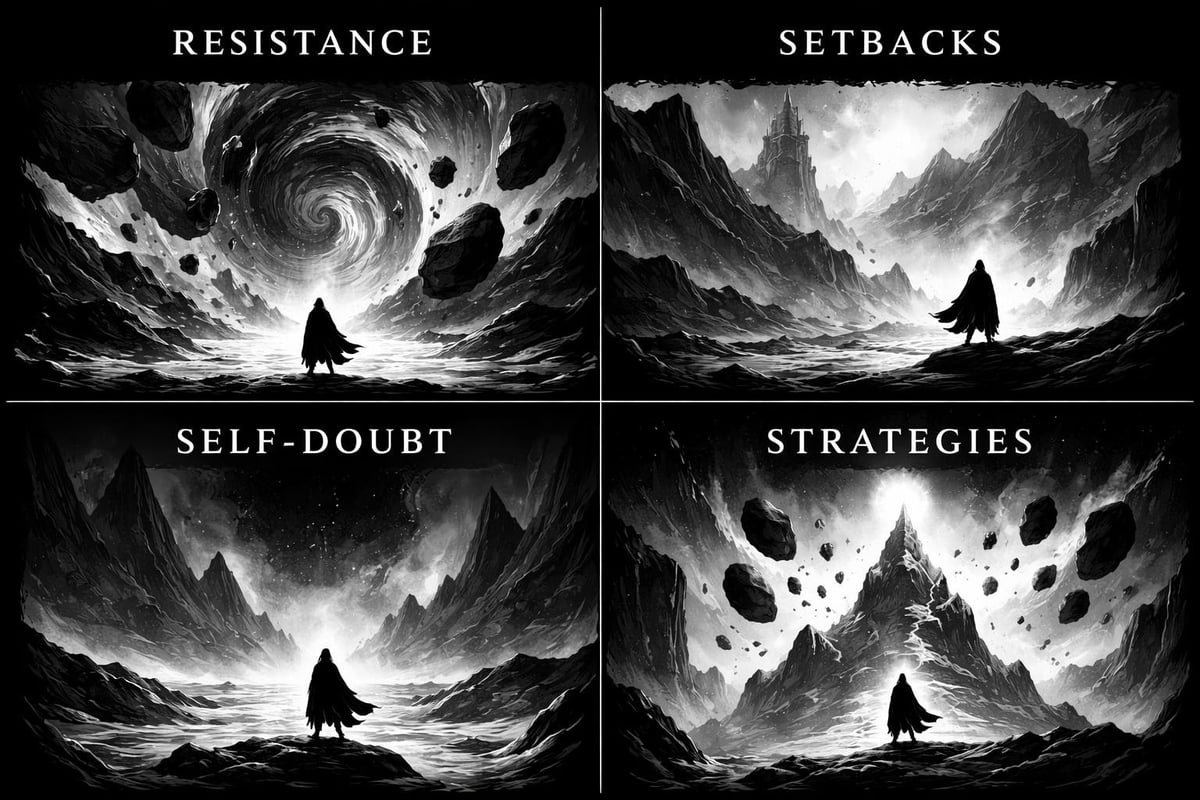
The Motivation Dip
Initial enthusiasm fades, usually around weeks three to five. This doesn't mean you're failing or that your life reset isn't working. It means you're human.
When motivation drops, lean on systems rather than feelings. This is where daily structure becomes essential. You don't need to feel motivated to follow a simple routine you've established.
Resistance from Others
People in your life might resist your changes, sometimes subtly. Friends might mock your new habits. Family might question your decisions. Partners might feel threatened by your growth.
This resistance often reflects their own discomfort, not legitimate concerns about your wellbeing. Stand firm in your commitment while remaining compassionate toward their fears. You don't need permission to change your life.
Perfectionism and All-or-Nothing Thinking
Missing a day of your new routine doesn't erase previous progress. Eating something unplanned doesn't ruin your nutrition goals. Having a negative thought doesn't invalidate your mindset work.
Progress isn't linear. Resetting your life without burning it down means accepting imperfection as part of the process, not evidence of failure.
Making Your Life Reset Sustainable Long-Term
The real test comes after your initial transformation period ends. How do you maintain momentum and prevent sliding back into old patterns?
Building Flexibility Into Your Systems
Rigid systems break under pressure. Your life will continue throwing curveballs: illness, family emergencies, work changes, unexpected opportunities. Rather than viewing these as threats to your progress, build adaptability into your approach from the beginning.
Create baseline non-negotiables that you maintain even during chaos, alongside ideal practices you implement when life is calmer. This prevents the all-or-nothing collapse that derails so many transformation efforts.
Recognizing Progress Beyond the Obvious
Celebrate non-scale victories. Better sleep quality. Improved mood. Stronger relationships. More energy. These markers often matter more than visible external changes but receive less attention because they're harder to photograph or quantify.
Keep a regular practice of noticing what's different. Weekly or monthly reflection helps you recognize growth you might otherwise overlook in daily life.
Planning for Evolution
Your life reset establishes a foundation, not a final destination. Who you are and what you need will continue evolving. The person you become through this process will eventually need their own form of renewal and growth.
Rather than seeing this as discouraging, embrace it as evidence you're alive and growing. Periodic reassessment keeps you aligned with your authentic self as it develops rather than locked into a version of yourself that no longer fits.
The journey of personal transformation never truly ends. It shifts and deepens, requiring different things at different seasons. Your initial life reset teaches you the skills needed to navigate future transitions with greater wisdom and less resistance.
A life reset isn't about achieving perfection or becoming someone you're not. It's about clearing away what obscures your authentic self and building a life that reflects who you truly are. The path requires courage, compassion, and consistency, but the alternative-staying stuck in patterns that diminish you-costs far more than the effort transformation requires. If you're ready to begin your own journey, DoReset offers a structured 90-day plan with daily actions and personalized guidance designed specifically to support you through every phase of your transformation. Your future self is waiting on the other side of your commitment to change.