
Personal Growth Goals: A Guide to Transforming Your Life

Doreset
May 3, 2026
You deserve to live a life that feels authentic, purposeful, and aligned with who you truly are. Yet so many of us find ourselves stuck in patterns that no longer serve us, wondering how to bridge the gap between where we are and where we want to be. That's where personal growth goals come into play. These aren't just items on a to-do list; they're meaningful commitments to becoming the person you're meant to be. Setting personal growth goals is an act of self-compassion, a recognition that you're worthy of the time and effort it takes to transform your life.
Understanding What Makes Personal Growth Goals Different
Personal growth goals stand apart from typical objectives because they focus on internal transformation rather than external achievement. While career goals might target a promotion or financial goals aim for a specific savings amount, personal development goals address fundamental shifts in how you think, feel, and interact with the world.
These goals require honest self-reflection and vulnerability. They ask you to examine your beliefs, behaviors, and patterns with genuine curiosity rather than judgment. This process can feel uncomfortable, but that discomfort signals growth.
The Core Elements of Meaningful Goals
Effective personal growth goals share several characteristics that set them up for success:
- Specificity: Vague intentions like "be better" lack the clarity needed for action
- Personal relevance: Goals must resonate with your values, not someone else's expectations
- Measurability: You need concrete ways to track progress and recognize improvement
- Flexibility: Growth isn't linear, so goals should adapt as you learn and evolve
- Compassion: The framework should support rather than punish you
When you're changing your mindset, remember that the goal itself matters less than the person you become while pursuing it. The journey shapes you in ways the destination never could.

Common Categories for Personal Growth Goals
Personal growth goals can address different areas of your life, each offering unique opportunities for transformation. Understanding these categories helps you create a balanced approach to development.
Emotional Intelligence and Self-Awareness
Developing emotional intelligence means learning to recognize, understand, and manage your emotions while empathizing with others. This category includes goals like:
- Practicing daily emotional check-ins to identify feelings
- Learning to sit with uncomfortable emotions without numbing
- Developing healthy expression of needs and boundaries
- Cultivating empathy through active listening
- Recognizing emotional triggers and patterns
These goals form the foundation for all other growth because they help you understand yourself at a deeper level.
Mindset and Mental Patterns
Your thoughts create your reality, making mindset work essential for transformation. Examples of personal development goals in this category often focus on shifting limiting beliefs and building mental resilience.
| Goal Type | What It Addresses | Example Action |
|---|---|---|
| Growth mindset | Fixed beliefs about abilities | Reframing challenges as learning opportunities |
| Positive self-talk | Inner critic patterns | Replacing negative thoughts with compassionate alternatives |
| Stress management | Anxiety and overwhelm | Building a daily mindfulness practice |
| Resilience | Response to setbacks | Developing coping strategies for difficult times |
When you're focused on reset mindset, you're essentially rewiring neural pathways that have kept you stuck in old patterns.
Relationship and Communication Skills
How you connect with others profoundly impacts your wellbeing. Goals in this area might include improving communication clarity, setting healthier boundaries, or developing deeper listening skills.
Building stronger relationships starts with the relationship you have with yourself. As you work on personal growth goals related to connection, you'll likely notice improvements in both personal and professional relationships.
Creating Your Personal Growth Roadmap
Setting personal growth goals requires more than identifying what you want to change. You need a structured approach that honors both your aspirations and your current reality.
Start With Honest Self-Assessment
Before defining goals, spend time understanding where you are now. This isn't about judgment; it's about clarity. Ask yourself:
- What patterns keep showing up in my life that I want to change?
- Which areas of my life feel most out of alignment?
- What would I attempt if I trusted myself completely?
- Where do I feel stuck or stagnant?
Write down your responses without editing or censoring. This raw material reveals themes that can guide your goal-setting process.
Define Specific, Actionable Objectives
Once you've identified areas for growth, translate them into concrete goals. Instead of "be more confident," try "speak up at least once in every team meeting this month." This specificity gives you clear targets and removes ambiguity about whether you're making progress.
Setting goals for professional growth follows similar principles, though the context differs. The key is always clarity paired with compassion.
Break Goals Into Daily Actions
The gap between intention and transformation is bridged through consistent daily actions. This is where many people struggle, not because they lack motivation, but because the path forward feels overwhelming.
Consider implementing a structured approach that provides daily actions aligned with your larger goals. When you focus on what you can do today rather than everything you need to accomplish, the journey becomes manageable.

The 90-Day Framework for Sustainable Change
Research suggests that meaningful habit formation and pattern disruption require sustained effort over time. A 90-day framework offers enough time to create lasting change while remaining focused and motivated.
This timeframe aligns with how our brains actually change. Neural pathways strengthen through repetition, and three months provides sufficient opportunity for new patterns to replace old ones. When you're ready to rebuild your life, this structured timeline prevents both burnout from rushing and stagnation from lacking urgency.
Month One: Awareness and Foundation
The first month focuses on building awareness and establishing foundational habits:
- Track current patterns without trying to change them
- Identify triggers for behaviors you want to shift
- Establish one or two keystone habits
- Create environmental supports for success
- Practice self-compassion as you learn
This phase feels deceptively simple, but awareness is transformative on its own.
Month Two: Implementation and Adjustment
The second month involves active implementation of new behaviors:
- Replace old patterns with intentional new choices
- Adjust strategies based on what's working
- Address obstacles as they arise
- Celebrate small wins to build momentum
- Refine goals to better align with emerging insights
Expect resistance during this phase. Your brain prefers familiar patterns, even uncomfortable ones, because they feel safe.
Month Three: Integration and Solidification
The final month focuses on making changes permanent:
- Automate successful habits so they require less conscious effort
- Plan for maintenance after the initial 90 days
- Identify additional areas for growth
- Reflect on transformation and lessons learned
- Prepare for continued evolution
By month three, the person you're becoming feels more natural than the person you were.
Practical Examples of Personal Growth Goals
Understanding theory matters, but seeing concrete examples helps translate concepts into action. Here are personal goals to set for your personal development across different life areas.
Health and Wellbeing Goals
Physical health deeply influences mental and emotional wellbeing, making it a powerful entry point for growth:
- Establish a consistent sleep schedule that honors your body's needs
- Develop a movement practice you actually enjoy
- Learn to recognize hunger, fullness, and satisfaction cues
- Reduce reliance on substances or behaviors used for numbing
- Build stress-management techniques you can use anywhere
Learning and Skill Development
Committing to continuous learning keeps your mind engaged and opens new possibilities:
- Read books outside your usual genres or perspectives
- Learn a skill purely for joy, not productivity
- Take an online self-development course on a topic that interests you
- Practice a creative pursuit without judgment
- Seek feedback and actually implement it
Financial and Career Growth
While career goals often focus on external markers, personal growth goals in this area address internal shifts:
- Develop a healthier relationship with money and abundance
- Practice asking for what you're worth
- Learn to separate your identity from your productivity
- Build confidence in your unique value proposition
- Create boundaries between work and personal life
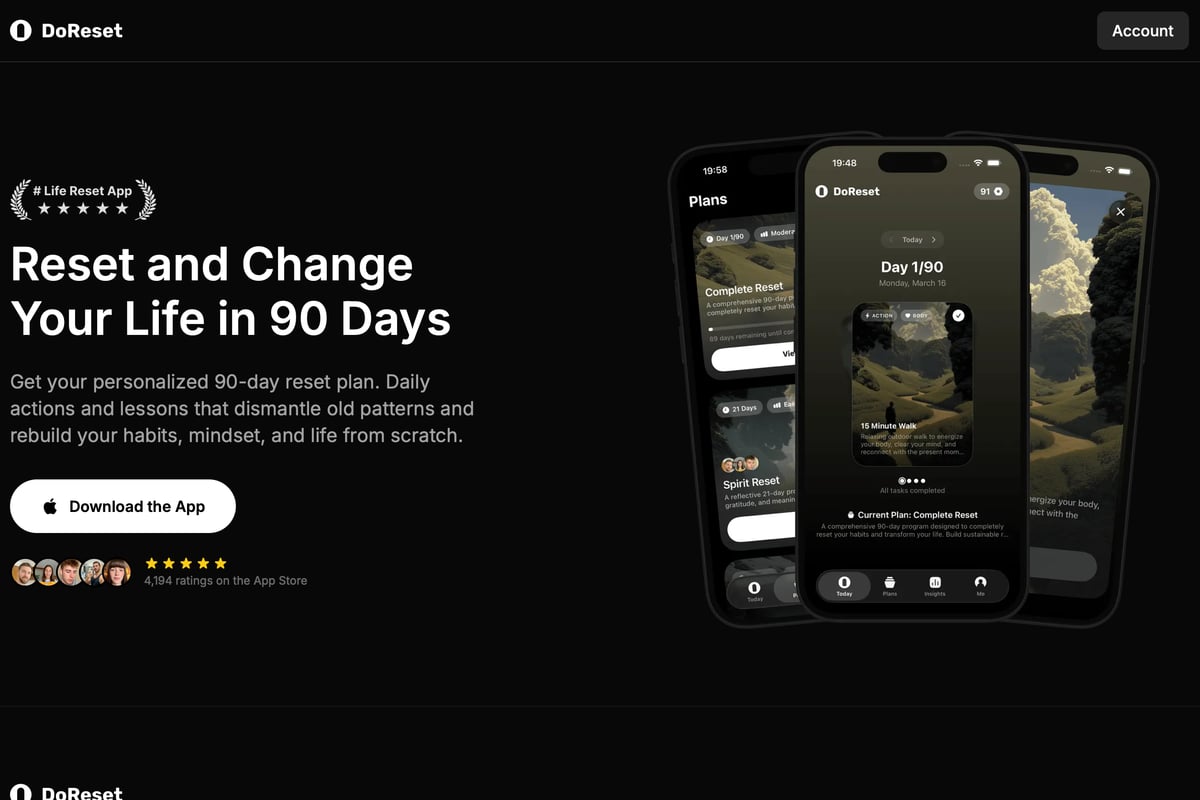
The DoReset mobile app provides a personalized approach to building these habits through structured daily actions. With a 90-day reset plan tailored to your specific needs, you receive guidance that helps you dismantle old patterns while rebuilding the habits to change your life from the ground up.
Overcoming Common Obstacles
Even with clear goals and genuine commitment, obstacles will arise. Anticipating these challenges helps you navigate them with grace rather than giving up.
The Perfectionism Trap
Perfectionism masquerades as high standards but actually prevents progress. When you demand flawless execution, any mistake feels like total failure. This all-or-nothing thinking derails more personal growth goals than any external obstacle.
Instead, embrace the concept of "good enough." Progress, not perfection, creates transformation. Missing one day doesn't erase previous progress or predict future failure.
Motivation Fluctuations
Motivation naturally ebbs and flows. Waiting until you "feel like it" means waiting forever. Building systems and habits matters more than maintaining constant enthusiasm.
On low-motivation days, reduce the goal to its smallest version. Can't do thirty minutes of meditation? Do three minutes. Can't write three pages in your journal? Write three sentences. Maintaining the pattern matters more than the scope.
Identity Resistance
Perhaps the most subtle obstacle is identity resistance. Your current self-concept resists change because transformation feels threatening to who you believe you are. This manifests as self-sabotage just as you're making real progress.
When you notice yourself pulling back from growth, get curious. What feels scary about becoming this new version of yourself? What would you have to give up? Often, naming the fear reduces its power.
Tracking Progress Without Losing Perspective
Measurement helps you see progress that otherwise goes unnoticed, but excessive tracking can become another form of self-punishment. Finding balance requires intentional design.
Qualitative and Quantitative Measures
Use both numbers and narrative to assess growth:
Quantitative tracking might include:
- Days you completed your target habit
- Meditation minutes logged
- Books finished
- Times you set a boundary
Qualitative reflection captures what numbers miss:
- How do you feel different than three weeks ago?
- What situations that used to trigger you no longer do?
- Where do you notice more ease or confidence?
- What feedback have others shared about changes they see?
Both types of data paint a complete picture of your transformation.
Celebrating Milestones
Personal growth goals deserve celebration, even when they're internal shifts invisible to others. Recognition reinforces neural pathways and builds positive associations with growth.
Create rituals around milestones. After 30 days of consistent practice, do something meaningful for yourself. At 60 days, reflect on how far you've come. These celebrations aren't rewards for "being good"; they're acknowledgments of your commitment to yourself.
Adjusting Goals as You Evolve
Static goals can't serve a person who's actively growing. As you develop new awareness and capabilities, your personal growth goals should evolve too.
Review your goals monthly. Ask whether they still align with who you're becoming. Some goals lose relevance as you outgrow the problems they addressed. Others reveal themselves as stepping stones to deeper work.
This flexibility isn't failure; it's responsiveness. Life-changing personal development goals adapt as you do because transformation isn't a straight line.
When to Persist and When to Pivot
Distinguishing between necessary perseverance and futile stubbornness requires honest self-assessment:
Persist when:
- You're experiencing normal resistance to change
- The goal remains aligned with your values
- You're seeing small signs of progress
- The difficulty comes from newness, not misalignment
Pivot when:
- The goal was based on should rather than genuine desire
- You've discovered new information about yourself
- The approach isn't working despite consistent effort
- Your values or circumstances have shifted
Either choice requires courage. Both honor your growth journey.
Building a Supportive Environment
Your environment powerfully influences whether personal growth goals succeed or fail. While individual willpower matters, environmental design matters more.
Physical Space Adjustments
Small changes to your physical environment can significantly impact behavior:
- Place visual reminders of your goals where you'll see them daily
- Remove obstacles to desired behaviors and add friction to unwanted ones
- Create designated spaces for specific activities
- Surround yourself with objects that reflect who you're becoming
When you're rebooting your life, your physical space should support rather than sabotage your intentions.
Social Support Systems
The people around you either reinforce old patterns or support new ones. Building social support for personal growth goals might mean:
- Sharing your goals with trusted friends who'll encourage you
- Joining communities of people on similar journeys
- Setting boundaries with relationships that drain rather than energize
- Finding accountability partners who understand your vision
You don't need everyone to understand your transformation, but you do need some people in your corner.
Digital and Informational Diet
What you consume mentally shapes your thoughts and beliefs. Curating your informational inputs supports personal growth goals by:
- Following accounts that inspire rather than trigger comparison
- Reading books that expand your perspective
- Limiting exposure to negative news cycles
- Engaging with content aligned with your growth direction
- Using apps and tools that support rather than distract
Your attention is precious. Spend it intentionally.
Personal growth goals offer a pathway to becoming the person you've always known you could be, and that journey deserves both structure and compassion. By setting clear intentions, breaking them into daily actions, and adjusting as you evolve, you create sustainable transformation rather than temporary changes. If you're ready to commit to this journey with guidance and support, DoReset provides a personalized 90-day plan that dismantles old patterns and rebuilds your habits, mindset, and life through daily actions designed specifically for your transformation.